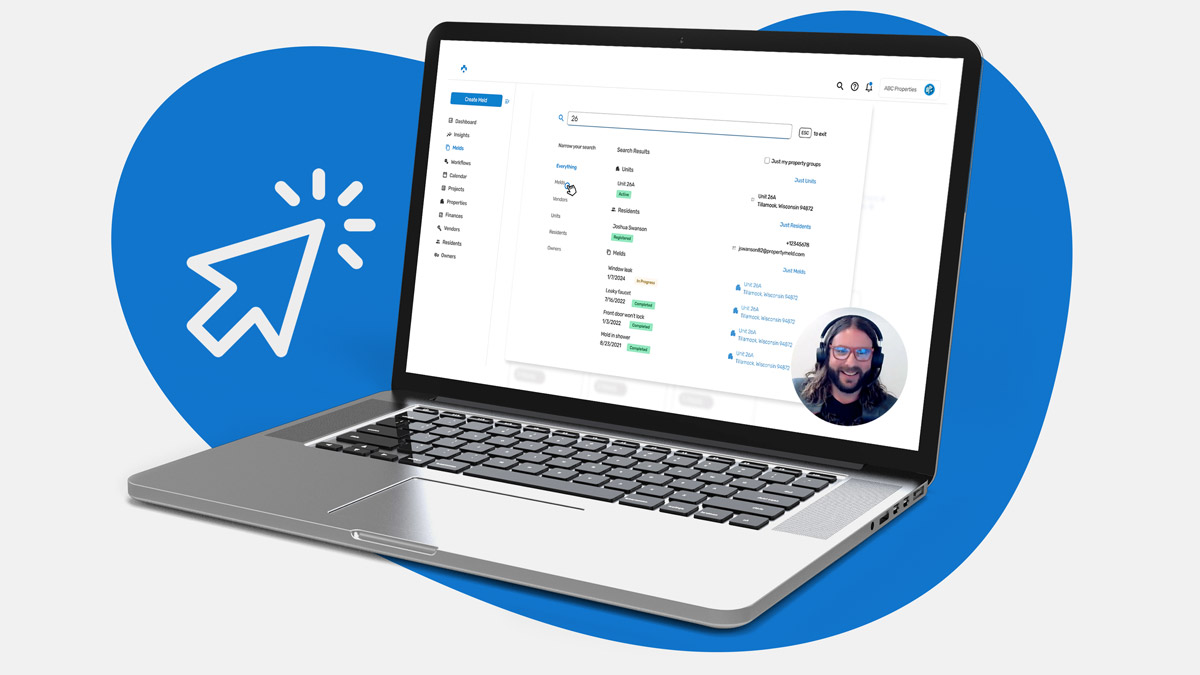
How Maintenance Shapes the Resident Experience
Maintenance is one of the most frequent and emotionally charged touchpoints residents have with a property management company.
Residents may only interact with leasing a few times a year, but maintenance shows up when something is broken, uncomfortable, or disruptive to daily life. That makes every maintenance interaction a moment of truth.
Slow response times, unclear communication, misdiagnosed issues, and repeat visits don’t just create frustration. They erode trust. And once trust is gone, it’s difficult to recover.
From a resident’s perspective, maintenance is not a back-office function. It is the experience.
Why Ticket Closure Does Not Equal Resident Satisfaction
Many maintenance teams measure success by ticket closure. Was the work order completed? Was it closed on time?
Residents measure success very differently.
They care about:
-
How quickly someone acknowledged the issue
-
Whether the problem was fixed correctly the first time
-
How clearly the process was explained
-
How much disruption the repair caused
A ticket can be closed while a resident is still unhappy. That disconnect is one of the biggest blind spots in ticket-based maintenance systems.
Why Faster Isn’t Always Better in Maintenance
Speed matters in maintenance, but speed without accuracy often backfires.
Rushing to dispatch a technician without proper intake or triage can lead to:
-
Incorrect diagnoses
-
Missing parts or tools
-
Repeat visits
-
Longer overall resolution times
From a resident’s point of view, multiple visits for the same issue feel worse than waiting slightly longer for a single, correct repair.
PMO prioritizes right-first-time resolution. By validating issues and routing work appropriately, maintenance teams reduce repeat visits and frustration while still improving overall response times.
Communication Is Part of the Repair
One of the most overlooked drivers of resident satisfaction is communication.
Residents don’t just want repairs completed. They want to know:
-
What’s happening
-
When someone will arrive
-
What the next step is
-
Who to contact if something changes
Silence creates anxiety. Uncertainty creates frustration.
A PMO approach treats communication as part of the maintenance process, not an afterthought. Proactive updates and clear expectations go a long way, even when repairs are complex or delayed.
When residents understand the process, patience increases and complaints decrease.
How Maintenance Consistency Builds Trust
Residents value consistency more than perfection.
When maintenance outcomes are predictable, residents know what to expect. They trust that issues will be handled professionally and fairly, regardless of who submits the request or which technician responds.
Ticket-based systems often rely on individual effort, which leads to uneven experiences. PMO creates standards and systems that deliver consistent outcomes across properties and teams.
Consistency builds confidence. Confidence builds loyalty.
How Maintenance Impacts Resident Retention
Maintenance experience is a major factor in renewal decisions.
When residents feel ignored, inconvenienced, or repeatedly disrupted by maintenance issues, they start looking elsewhere long before lease renewal time arrives.
On the other hand, positive maintenance experiences:
-
Reduce complaints and escalations
-
Improve online reviews and reputation
-
Increase renewal rates
-
Lower turnover costs
Maintenance becomes a driver of retention, not a liability.
Resident Experience Is an Outcome of Operations
Resident satisfaction does not happen by accident.
It is the result of:
-
Strong intake and triage
-
Efficient technician and vendor coordination
-
Clear communication
-
Consistent execution
Property Maintenance Operations connects all of these elements into a system that produces better resident outcomes at scale.
When maintenance is managed strategically, resident experience improves naturally. Not because teams are working harder, but because the operation is working smarter.