





Waste is built
into maintenance.
eliminates it.
In property maintenance waste is inevitable when decisions are made without full context.
TrueCost provides real-time intelligence, so every decision reduces waste, protects margins, and builds trust.
Across the industry, rent growth is slowing while maintenance costs continue to rise. For investors, that squeeze is showing up directly in returns, and they’re paying close attention.
It doesn’t matter whether you’re managing single-family, multifamily, or a portfolio that spans both. The pressure to control maintenance spend, protect NOI, and defend every line item is the same.
Most operators are making cost decisions blind. And the industry is past the point where that’s sustainable.
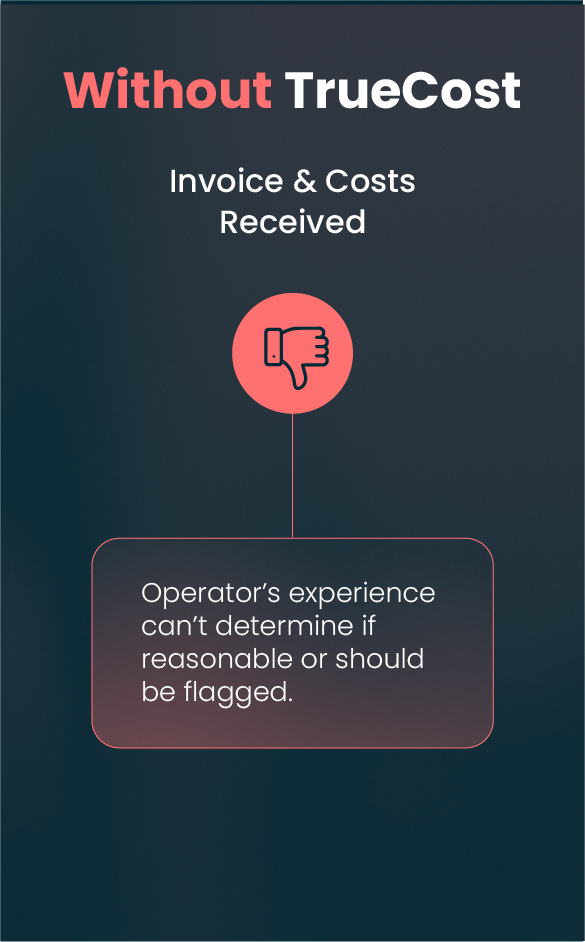
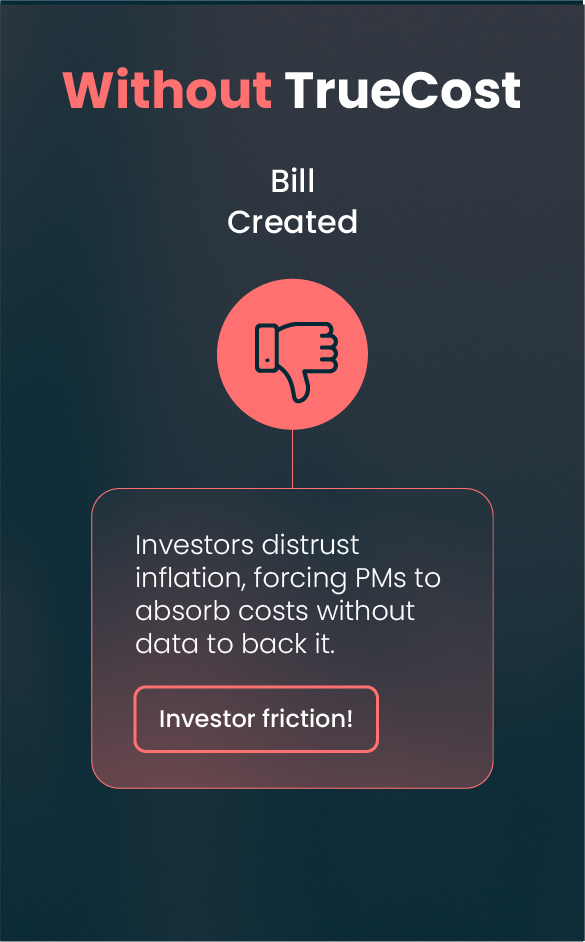
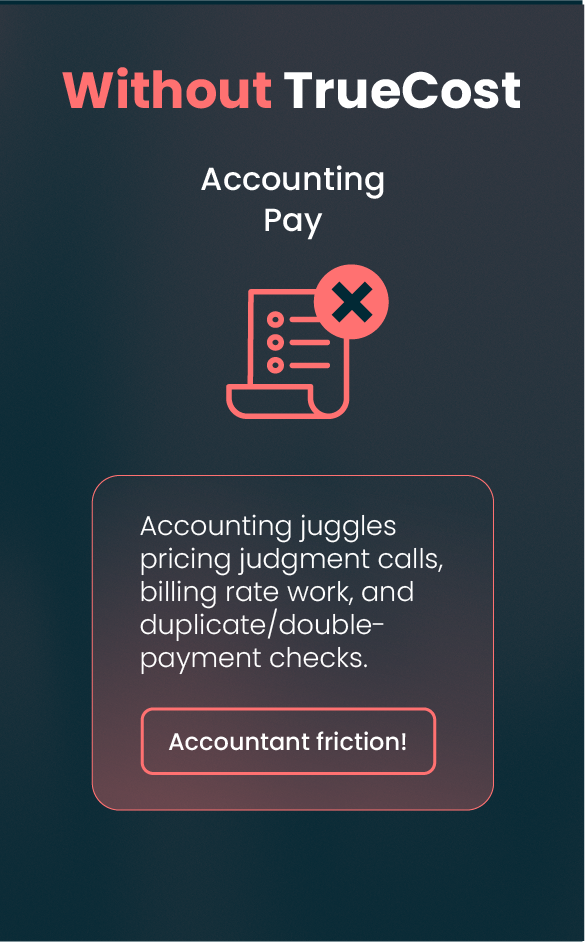
Teams spend more time reviewing estimates, questioning invoices, and reconciling discrepancies. Accounting is pulled into manual validation, checking for duplicates, and making judgment calls without full context. Investors stop seeing the returns they were promised.
And in many cases, operators absorb costs simply because there is not enough data to confidently defend them.
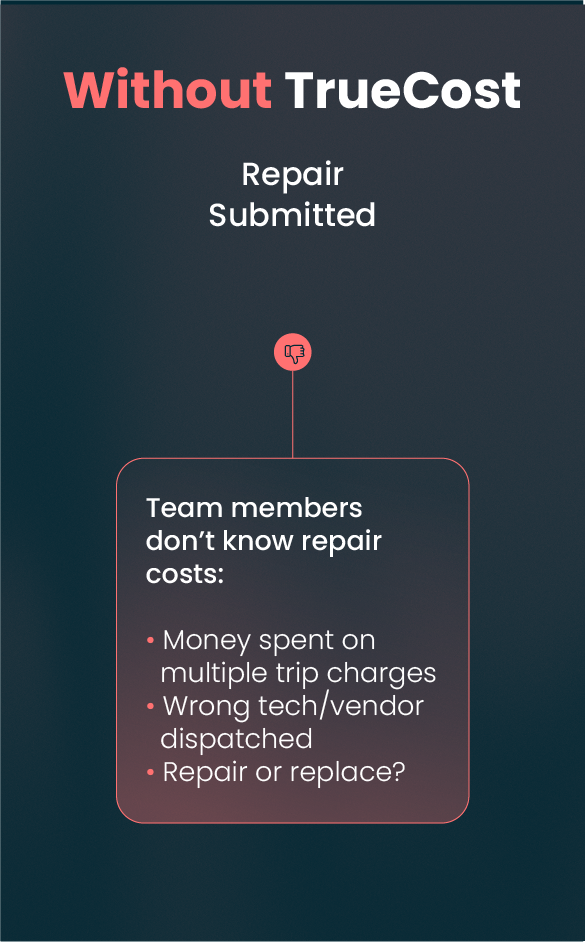
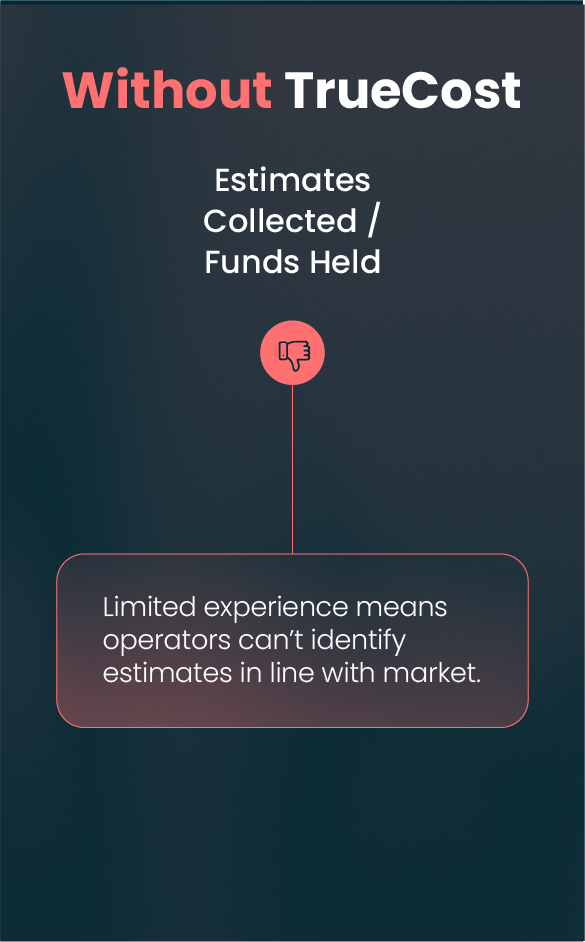
Across thousands of properties, the same pattern shows up again and again. Cost problems don’t start at billing. They start at the first decision, when there is no clear understanding of what the repair should cost.
From there, uncertainty builds into every step that follows. TrueCost was built to fix that.
TrueCost helps property management teams reduce waste, improve cost control, and create more consistent financial outcomes. See it in action by scheduling a call with our team.
Check out some FAQ’s about TrueCost:
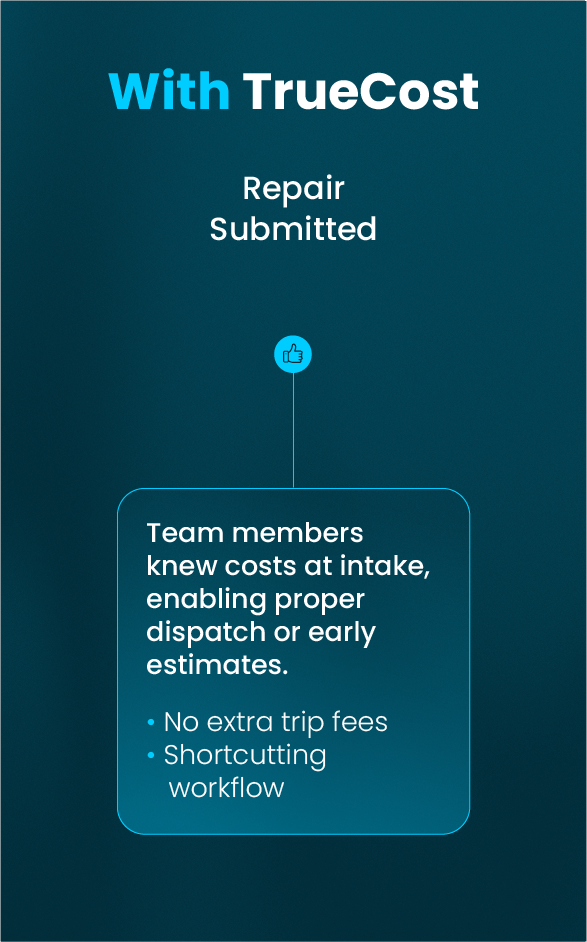
TrueCost reduces unnecessary spend by giving operators a clear understanding of what repairs should cost before decisions are made. With better context at intake and throughout the repair, teams avoid over-dispatching, catch issues earlier, and prevent inflated costs from reaching billing.
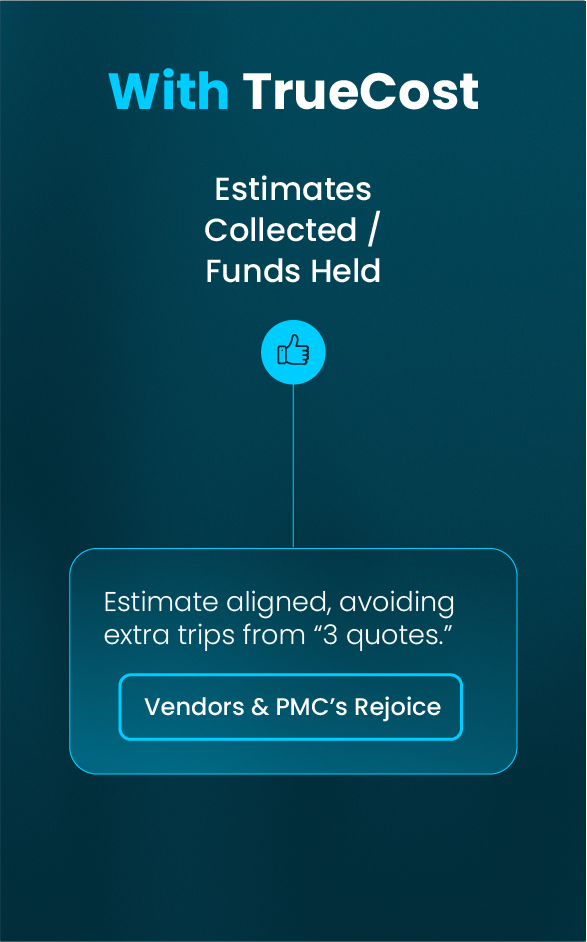
TrueCost replaces guesswork with data. Instead of relying on assumptions, teams can make more consistent decisions around dispatching, estimating, and vendor selection based on expected cost ranges and real-time insights.
TrueCost brings structure to how costs are tracked and validated throughout the repair process. By the time billing is created, the information is already organized and easier to verify, reducing manual review, rework, and delays in accounting.
TrueCost gives operators the data needed to support maintenance costs with confidence. Instead of relying on estimates or explanations after the fact, teams can clearly show how costs align with expectations, reducing friction and improving trust with owners.
Teams typically see fewer unnecessary dispatches, more consistent estimating, faster billing cycles, and less time spent validating costs. Overall, maintenance becomes more predictable and easier to manage across the entire operation.
